If you are a wedding planner trying to figure out why your website is not showing up on Google, you are not alone. And if you have been told to just start blogging or post more on Instagram or maybe try Pinterest and none of it has really moved the needle, I get it. SEO for wedding planners is one of those things that never seems to make it to the top of the to do list and when you finally have time? It’s hard to know what to do.
The advice out there is either wildly outdated or so generic that it does not apply to a service-based business in a saturated, location-specific industry. After all, you are not selling a product. You are not trying to rank nationally. You are trying to get the right person in your city to find you at the right time and trust you enough to reach out.
That is a different game.
And honestly, most SEO content for wedding pros glosses over the part that actually matters: what do you write about, how do you make it sound like you, and how long is this going to take before it works?
This post is going to answer all of that. We are going deep on SEO for wedding planners in 2026, from what is worth your time and what you can skip entirely.
I am Kara, and I am a blog writer for small business owners. I also have a course called Blogging for Bingeable Brands if you want to learn how to do this yourself. No pressure, but if you have been meaning to start blogging and want a system that actually makes sense, that is what it is for.
Table of Contents
What SEO For Wedding Planners Means and Why It Matters for Bookings
Let me just say it plainly: SEO stands for search engine optimization, and it basically means making your website easier for Google to find, understand, and show to the right people.
That is it. That is the whole thing.
I know SEO for wedding planners sounds like one of those techy buzzwords that makes your eyes glaze over. And honestly, there are a lot of marketing people out there who overcomplicate it on purpose so you feel like you need to hire them immediately. But at its core, SEO is just about helping engaged couples find YOU when they search for a wedding planner in your area.
Think about it this way: when someone gets engaged and starts Googling things like best wedding planner in Austin or how to plan a destination wedding in Mexico, Google has to decide which websites to show them first. SEO is the stuff that helps Google decide that YOUR site deserves to be at the top of that list.
Why SEO For Wedding Planners Matters
The couples who find you through Google are already looking for what you offer. They are not scrolling mindlessly. They are not accidentally landing on your site. They typed in a question, and your website showed up as the answer.
That is a completely different energy than someone who stumbled across your Reel while half-watching TV.
Those Google leads? They tend to book faster, ask fewer questions, and trust you more right out of the gate — because they found you on purpose. SEO is not about gaming a system. It is about showing up when the right people are already searching for someone exactly like you.

How Google Decides Which Wedding Planners Show Up First in Local Searches
So now that you know what SEO for wedding planners actually is, and why those Google leads are basically gold, the next question is obvious: how does Google decide who shows up first?
Because let me tell you, it is not random. And it is definitely not based on who has been in business the longest or who has the prettiest website.
Google is trying to answer a question. When someone types in wedding planner in Denver or destination wedding coordinator Cabo, Google has one job: show that person the most relevant, trustworthy, helpful result as fast as possible.
Which means Google is constantly asking itself three things about your website:
- Is this site actually about what the person searched for?
- Does this site seem legit and trustworthy?
- Is there enough helpful content here to answer the question well?
That is the whole game. Relevance, trust, and depth.
If your website barely mentions your location, or your service pages are super vague, or you have not published anything new in two years… Google does not have a lot to work with. It is not going to confidently show your site to someone who is actively looking for help.
But if your site clearly says what you do, where you do it, and has content that proves you actually know your stuff? Now Google has something to point to.
This is why so many wedding planners feel invisible online even though they are incredible at what they do. The work is good. The site just is not giving Google enough to go on.
The Core SEO Steps Every Wedding Planner Needs to Have in Place
Okay so now you know what SEO is and how Google decides who shows up first. The next logical question is: what do I actually need to DO?
Let me break it down into the non-negotiables. These are the foundational pieces that need to be in place before anything else starts working for you.
1. Your website needs to clearly say what you do and where you do it.
I know that sounds obvious but you would be shocked how many wedding planner websites never actually mention their city or region on the homepage. Google cannot read your mind. If your site does not say Austin wedding planner or destination weddings in Tulum somewhere prominent, you are making Google guess. And Google does not like guessing.
2. You need dedicated service pages.
Not one giant page that lists everything you offer in bullet points. Separate pages for full planning, partial planning, day-of coordination, whatever you actually sell. Each of those pages should be optimized for the specific thing someone might search for. This is how you show up for more than one type of search.
3. Your Google Business Profile needs to exist and be filled out completely.
This is free and it is one of the fastest ways to start showing up in local searches. Add photos, get reviews, keep it updated. It matters more than most people realize.
4. Your site needs fresh content.
That does not mean posting on Instagram. That means content that lives on your website, like blog posts. Google wants to see that your site is active and relevant, not a digital business card that has not been touched since 2021.
These four things are not optional. They are the baseline. If any of them are missing, you are working against yourself before you even start thinking about strategy.
Why Blogging Is the Most Underused Strategy Regarding SEO for Wedding Professionals
Okay so you have the foundations in place. Your site says what you do and where you do it. You have dedicated service pages. Your Google Business Profile is filled out. Great.
Now what?
Blogging.
I know blogging sounds like one of those things everyone tells you to do but no one actually explains why. So let me make it really simple: every blog post you publish is a new opportunity to show up in search results. A new door. A new way for an engaged couple to find you.
Your homepage can only rank for so many things. Same with your service pages. But a blog? You can write about destination weddings in Tulum. You can write about how to plan a wedding in six months. You can write about what to expect from a day-of coordinator. Each of those posts targets a different question someone is typing into Google.
And here is the part that most wedding pros overlook: blogging is not just about getting traffic. It is about building trust before someone ever reaches out.
When a potential client lands on a blog post you wrote — one that answers the exact question they were Googling — they are already starting to see you as the expert. You are not cold anymore. You are the person who helped them figure something out. That is a completely different energy than someone landing on your homepage with no context.
You choose the keywords you target (which helps you tap into new markets)
Plus, when you choose your keywords, you’re choosing your future clients.
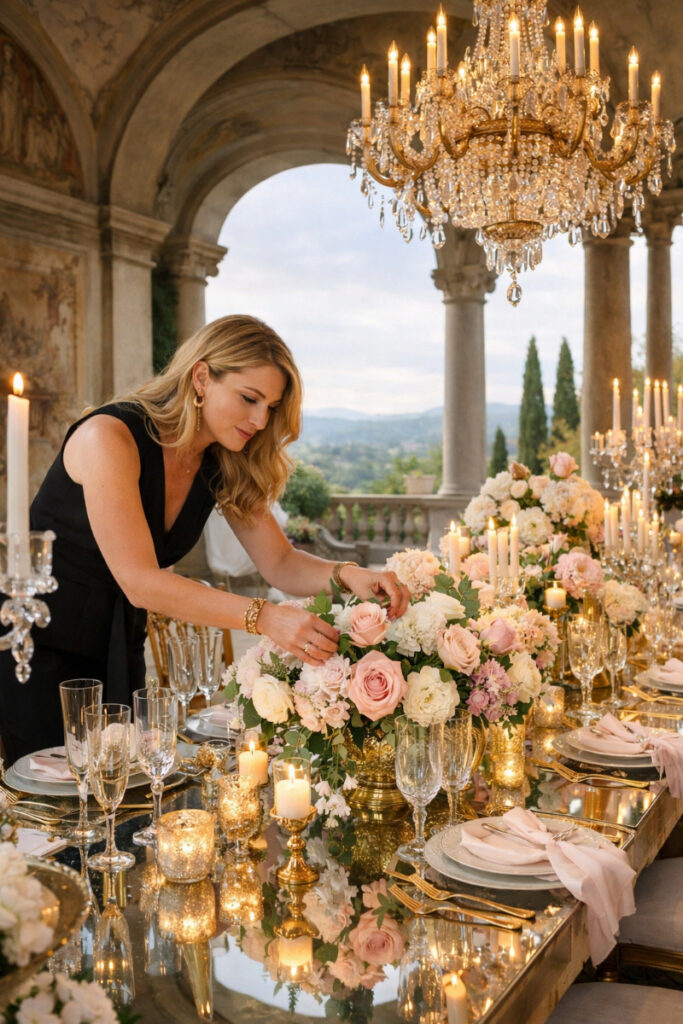
If you want to attract couples planning destination weddings in Italy, you write for them. You create content around Italian villas, legal requirements for foreigners, seasonal considerations in Tuscany, guest travel logistics, and real wedding inspiration from iconic locations.
Search engines respond to clarity and consistency. When your blog repeatedly and intentionally answers the questions those couples are already searching, you become the obvious expert… even if you’re just getting started. That’s exactly how I became as a destination wedding planner before I had experience: I chose the audience first, created content specifically for them, and let visibility build authority.
Blogging is a long-term investment
The other thing I want to say here is this: blogging is a long game. It is not going to get you leads next week. But six months from now? A year from now? You will have a library of content working for you around the clock. Content you do not have to babysit. Content that does not expire after 24 hours like a Story.
If you are serious about showing up on Google and not just hoping for the best, blogging is the lever most wedding planners are not pulling. And honestly, that is good news for you — because it means the bar is low and the opportunity is wide open.
How to Start a Blog That Brings Engaged Couples to Your Website
Okay so now you know why blogging matters. The next question is: how do you actually start one that works?
You do not need to be a writer and post every day. You just need a simple system that connects what you know to what people are Googling.
Step one is figuring out what your ideal clients are actually searching for.
Things like how to plan a wedding in six months or what does a day-of coordinator actually do or destination wedding in Tulum checklist. These are real searches from real people who need help. Your job is to show up with an answer.
Step two is writing a blog post that answers that question clearly.
Put the answer near the top. Do not make people scroll through seventeen paragraphs of fluff to find what they came for. Give them the goods and then add the context, the examples, the stories that make it feel like you.
Step three is making sure the post is optimized for search.
That means using the keyword naturally throughout the post, having a clear headline, writing a meta description, and making sure your site is set up so Google can actually find it. This part sounds technical but it is really just about being intentional.
And step four is promoting the post once it is live.
Share it on Pinterest. Send it to your email list. Turn it into a carousel or a Reel. The blog post is the foundation but the promotion is what gets eyes on it while Google catches up.
And if you want help building a system for this, that is exactly what my Blogging for Bingeable Brands course is for. No pressure. But if you have been meaning to start and want a roadmap that actually makes sense, it is there for you.
Frequently Asked Questions
How often do I actually need to blog for it to make a difference?
You do not need to post every day or even multiple times a week. One solid blog post per week is enough to build momentum over time. If that feels like too much right now, start with two per month and stay consistent. The goal is to keep showing up so Google has a reason to keep coming back to your site.
What should I actually write about if I have no idea where to start?
Start with the questions you get asked all the time by clients or couples in your DMs. Things like how far in advance to book a planner, what a day-of coordinator actually does, or what to expect at a venue walkthrough. If someone has asked you, they have probably Googled it too. That is your content goldmine.
What if I start blogging and it still takes forever to see any results?
That is totally normal and honestly expected. Blogging is a long game and most people start seeing real traction around the six to twelve month mark. The key is consistency over time, not perfection out of the gate. One post a week adds up fast and that content keeps working for you long after you hit publish.
Ready to Start Showing Up on Google?
If you made it this far, you already know more about SEO for wedding planners than most people in your industry. You know what Google is actually looking for. You know why blogging is the thing that moves the needle. And you know it is not about doing everything perfectly — it is about starting.
So where do you go from here?
If you are still in the figuring-it-out phase and want to understand how search-driven marketing actually works before you commit to anything, I have a free private podcast called Build It Once, Get Found For Months. It walks you through my whole philosophy on why blogging is the most sustainable way to grow your business — without burning out on content that disappears in 24 hours.
And if you are ready to actually do the thing — like sit down, write blog posts, and build a system that brings couples to your website on autopilot — that is exactly what Blogging for Bingeable Brands is for. It is my course that walks you through the entire process: what to write, how to optimize it, and how to stay consistent without losing your mind.